COURSE OUTLINE
This course provides a comprehensive overview of the principles of infectious diseases, focusing on their transmission, prevention, and control. Learners will explore the biological nature of pathogens—including bacteria, viruses, fungi, and parasites—and the epidemiological methods used to track and manage outbreaks in populations.
LEARNING OUTOMES
-
Define and Classify: Differentiate between communicable and non-communicable diseases and identify the major types of infectious agents (pathogens).
-
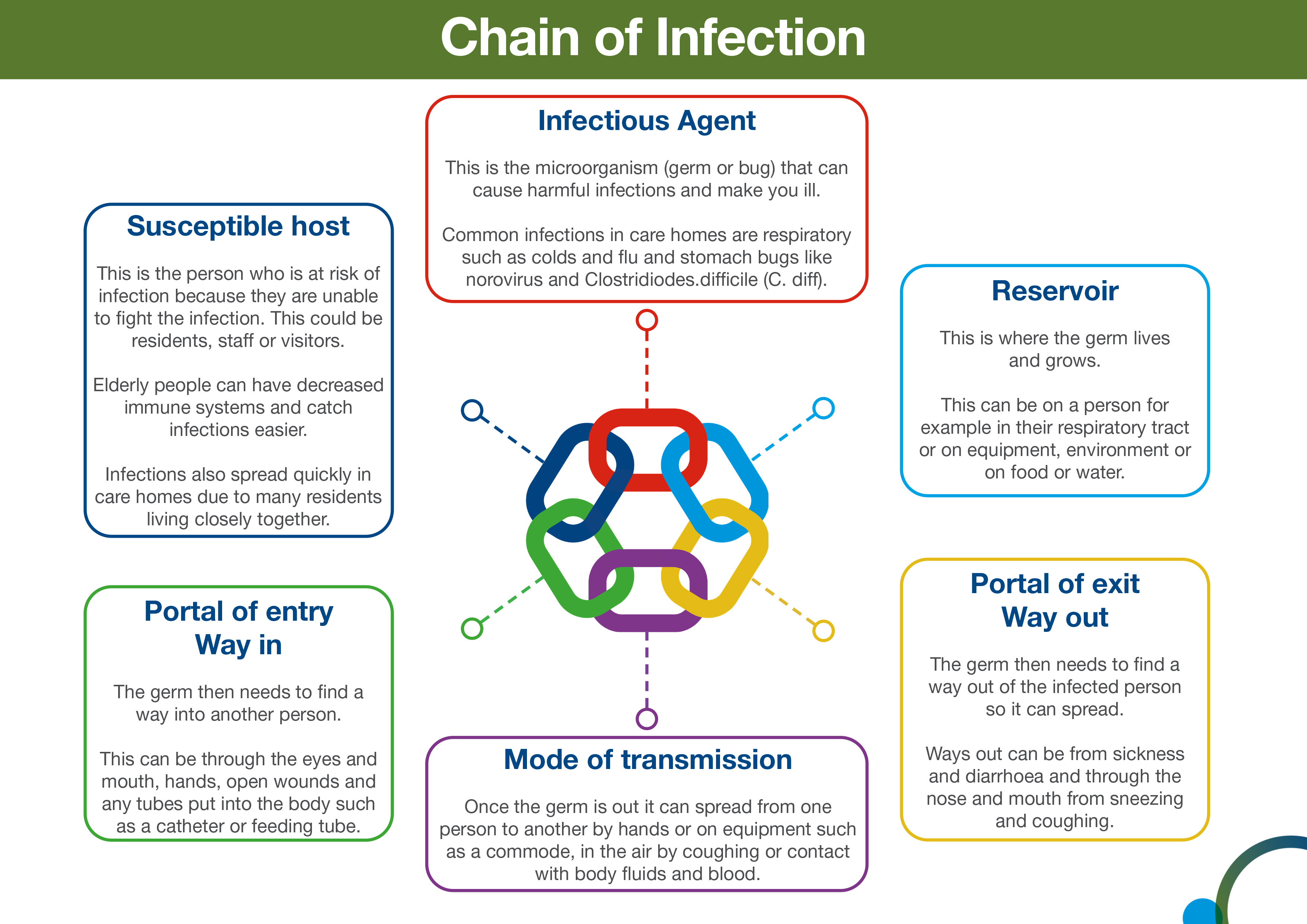
Analyze Transmission: Explain the "Chain of Infection," including the roles of the reservoir, portal of exit, mode of transmission, and susceptible host.
-
Investigate Outbreaks: Describe the steps involved in an outbreak investigation, including case definition and epidemic curves.
-
Evaluate Prevention Strategies: Assess the effectiveness of primary, secondary, and tertiary prevention measures, such as vaccination, quarantine, and sanitation.
-
Discuss Global Impact: Analyze how social, environmental, and behavioral factors contribute to the spread of emerging and re-emerging diseases.
Core Curriculum Topics
| Module | Key Focus Areas |
| 1. Introduction | Terminology (Endemic, Epidemic, Pandemic), History of Epidemiology. |
| 2. The Pathogens | Virology, Bacteriology, Mycology, and Parasitology basics. |
| 3. Immunology | Innate vs. Adaptive immunity; how vaccines work. |
| 4. Modes of Spread | Airborne, Waterborne, Vector-borne, and Blood-borne transmission. |
| 5. Control & Policy | Public health surveillance, sterilization, and international health regulations. |
Sample Learning Activities
1. The "Liquid Exchange" Simulation (Outbreak Modeling)
-
Activity: Each student is given a cup of clear liquid. One or two cups contain an invisible base (like sodium hydroxide). Students "exchange" liquid with three peers to simulate social contact.
-
Outcome: A pH indicator (like phenolphthalein) is added at the end to see how many "infections" occurred from just two initial cases. This illustrates the exponential spread of diseases.
2. The "Infection Detective" Case Study
-
Activity: Students are given raw data from a hypothetical food-poisoning outbreak at a local event. They must calculate Attack Rates for various food items to identify the source of the infection.
-
Outcome: Develops analytical skills in identifying the "Point Source" of an outbreak.
3. "Glo Germ" Handwashing Lab
-
Activity: Students apply a UV-reactive lotion to their hands, then wash them as they normally would. A UV light is used to reveal the "germs" left behind.
-
Outcome: Visually demonstrates the importance of proper hygiene and identifies common areas missed during handwashing (like cuticles and between fingers).
4. Vaccine Advocacy Campaign
-
Activity: Small groups choose a specific disease (e.g., Measles, HPV, or Polio) and create a 2-minute "Public Service Announcement" or infographic targeting a specific demographic.
-
Outcome: Practices translating complex medical data into accessible community health communication.
- Teacher: Admin User